A task map shows where an agent could work. A map of handovers, approvals, exceptions and records shows where it must stop. Draw the second one before anything is built.
Drawing onMcKinsey, TechTarget
Most process maps record tasks: a box for each thing someone does and an arrow to the next. That map is good for finding where an agent could do some of the work. It says almost nothing about where the agent should stop. The map worth drawing first records the decisions: who hands what to whom, who approves, what happens when a case does not fit, and what is written down.
The case for starting with the workflow was made well last year. In September 2025 McKinsey published One year of agentic AI: Six lessons from the people doing the work, by Lareina Yee, Michael Chui and Roger Roberts with Stephen Xu. It draws on more than 50 agentic AI builds the firm had led. Its first lesson is that the value comes from changing the workflow, and that teams who concentrate on the agent tend to produce an impressive agent inside a workflow that is no better.
The article names the starting point in a single sentence: map the processes and find where the people doing the work are in pain. We agree, and we think that sentence carries most of the weight. This post sets out what the mapping involves and what each part of the map decides.
- 01A map of tasks and complaints finds the slow work and misses the points where the organisation decides.
- 02Map four layers over the same workflow: handovers, approvals, exceptions and the record.
- 03Design the agent's work backwards from each signature, so that it prepares what the person signing needs.
- 04Exceptions and records are rarely written down, so a pilot will not test them unless the map names them.
A task map shows the work and hides the decisions
Pain points are a sound way to find where work is slow. They are a poor way to find where it is decided. People complain about retyping, chasing and waiting. They seldom complain about the approval they give without much thought, because it costs them nothing. That approval is where the organisation's authority sits, and it is the step an agent must never take over by accident.
James Alan Miller, lead editor of CIO at Informa TechTarget, describes what follows when the map is missing. In The AI pilot passed the test, but the workflow failed, published in May this year, he argues that pilots run in cleaner and narrower conditions than live work. The trouble, he writes, is often that the organisation "tested the tool before it defined the work around it". He asks for a work map before the first agent is built and gives ten questions for it. They include where the work starts, which steps need a person's approval, who owns the output and which exceptions are escalated.
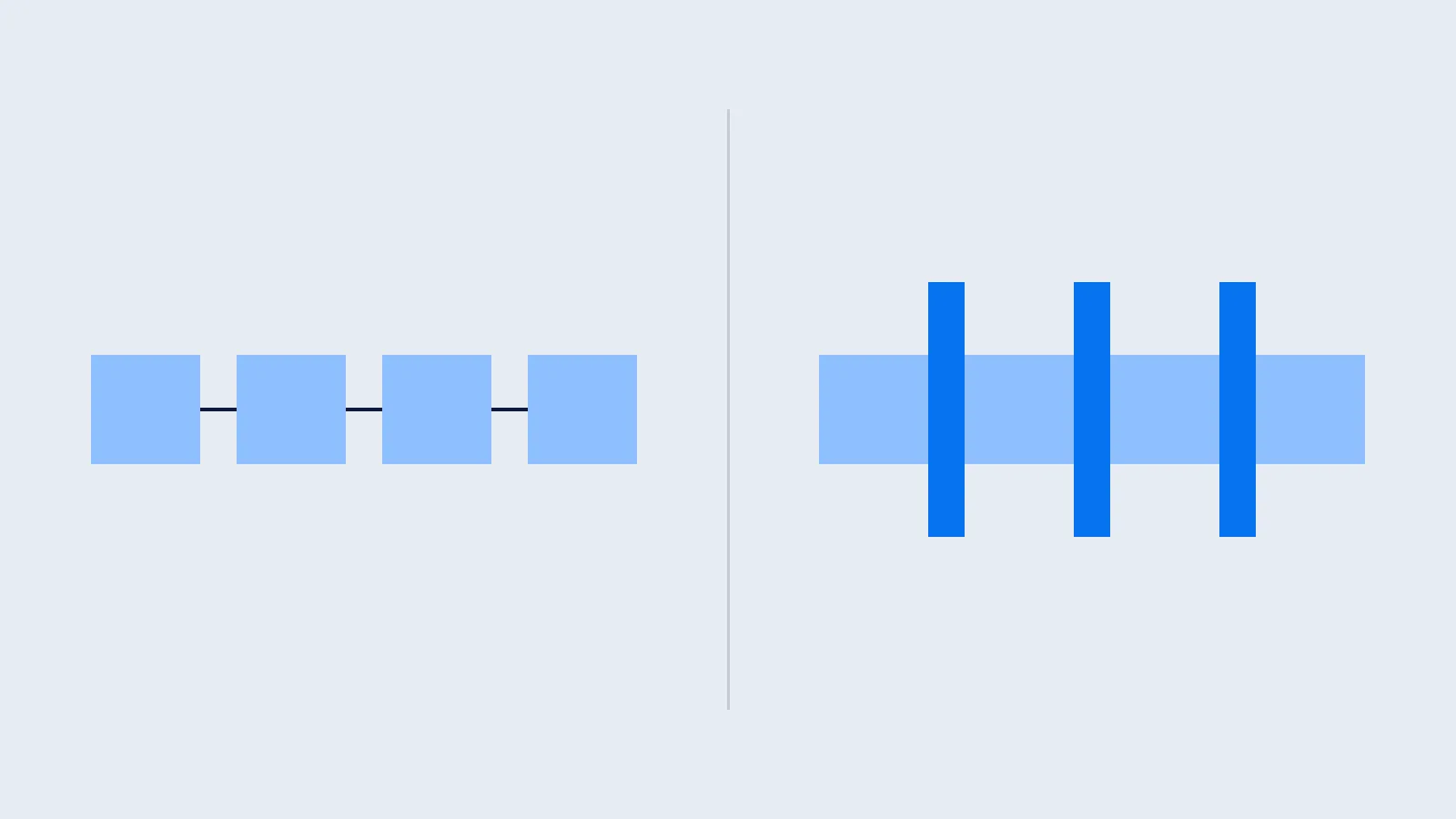
Miller's questions are the right ones. We arrange them differently, as four layers drawn over the same workflow, because each layer settles a different part of the design.
Four layers the map has to carry
- Handovers. Every point where work passes from one person, team or system to another, and what travels with it. Waiting and lost context collect here.
- Approvals. Every point where someone puts a name to something. Note what they see when they approve, what they answer for, and whether the approval is a judgement or a formality.
- Exceptions. What happens to the case that does not fit: who notices, who takes it, and how it returns to the usual path. Ask the people who handle them, because this is rarely written down.
- The record. What is written at each step, where, and by whom. The test is whether, a year on, anyone could show who made a decision and on what evidence.
| Write down | It decides | |
|---|---|---|
| Handovers | Who passes what to whom | Where an agent carries work across |
| Approvals | Who signs, and what they see | Where the agent stops and a person decides |
| Exceptions | Cases that do not fit, and who takes them | When the agent must hand over |
| The record | What is logged at each step | What every step must leave behind |
The four layers and the table are our own arrangement.
Draw the agent's work backwards from each signature
Once the approvals are on the map, the order of design reverses. Start at each signature and ask what the person signing needs in front of them to decide well. That list is the agent's job: prepare exactly that, with the evidence attached.
McKinsey's strongest example works this way. A provider of alternative dispute resolution services rebuilt a legal analysis workflow. Agents organised the core claims and the sums involved accurately, and lawyers still checked and approved them, because the whole case rested on those claims. Agents recommended a plan for each case, and people were expected to adjust it as well as review it. At the end someone signed the document and put a professional licence behind the decision. The authors say the team took the time to work out where, when and how human input belonged. That is an approvals layer, though the article does not call it one.
The signature is the fixed point. Everything the agent does is preparation for it.
The same map shows where an agent is the wrong tool. McKinsey's second lesson is that tightly governed, predictable workflows, with investor onboarding and regulatory disclosures given as examples, may gain more uncertainty than value from agents built on language models. On the map these are the steps with no judgement in them, and a rule does them.
Take a request that arrives, needs checking and ends in an approval. Rebuilt from the map, in our illustration, it would run like this.
- 01SystemRequest arrivesLogged with its source.
- 02AgentCase file preparedDocuments read, figures extracted, gaps listed.
- 03SystemStandard checks appliedFixed rules, no model.
- 04AgentException flaggedSent to a named person, with the reason.
- 05PersonDecision madeThe approver sees the file and the evidence.
- 06SystemRecord writtenWho decided, on what, and when.
Read the flow by who does each step: the agent where there is reading and assembling to do, a rule where the answer is fixed, a person where a name is required.
Exceptions and records are where pilots go quiet
Miller's sharpest point is that a narrow pilot can avoid the awkward parts of a workflow. It may never expose unclear ownership, test the exception paths, or show whether the review steps are practical at volume. The reason, we think, is that the exception path usually exists only in the heads of the people who handle it. Nobody thinks to put it in the pilot, and the agent meets it for the first time in live work.
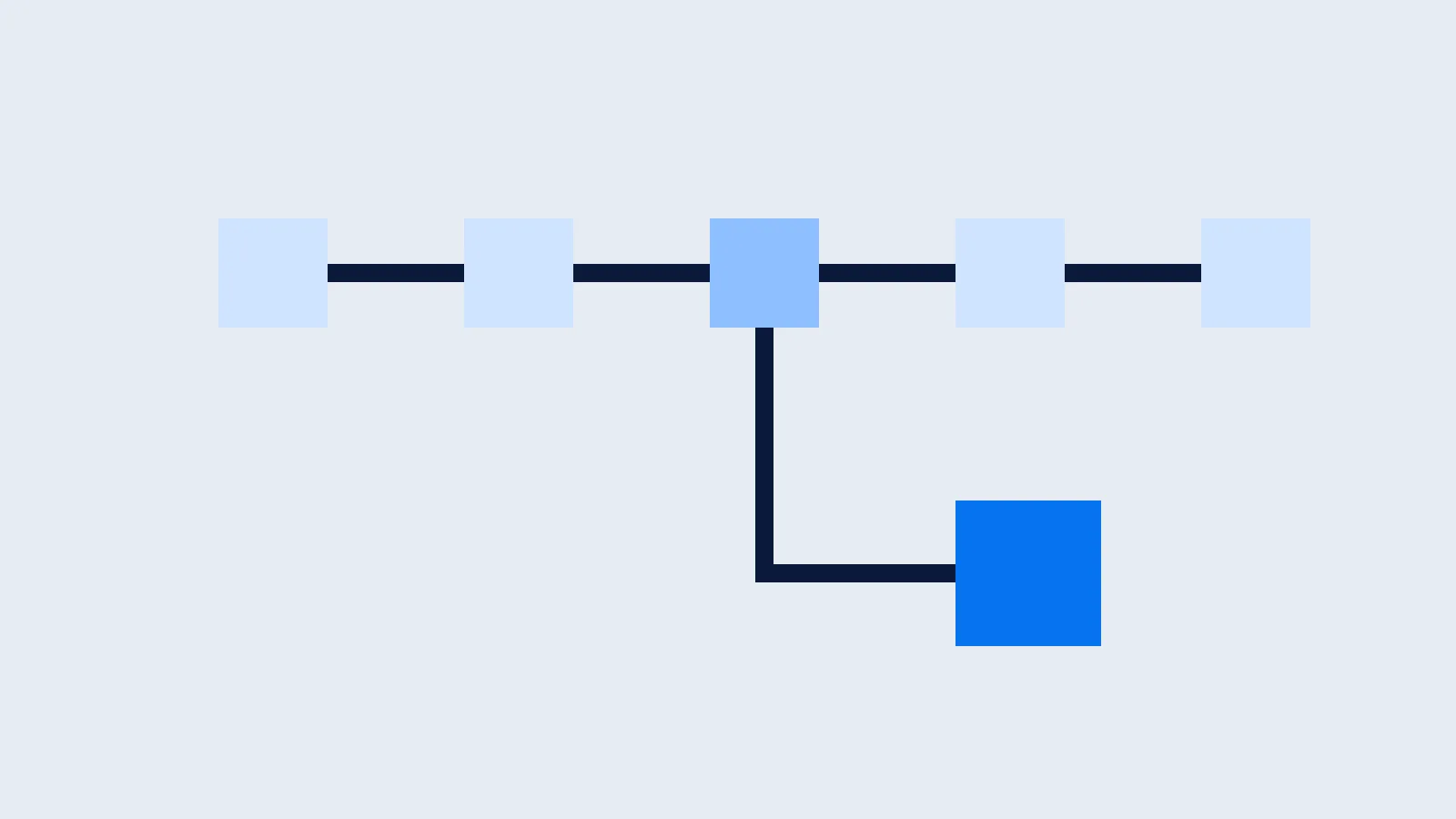
The record has the same problem. McKinsey's fourth lesson observes that many companies track only outcomes, so that when a mistake appears it is hard to say what went wrong. The authors advise verifying the agent's work at each step. In their example a team saw accuracy fall on a new set of cases and, because every step was tracked, traced the cause to poorer data from certain groups of users.
We would go one step further. A record of each step does more than help engineers correct an agent. It is the organisation's account of who decided what. So it should be designed from the map: every handover, every approval and every exception leaves an entry, whether an agent or a person did the work.
What to do before anyone builds anything
Pick one workflow and follow three recent cases from start to finish, including one that went wrong. For each case, write down four things.
- Every handover. Who passed it on, to whom, by what means, and how long it sat.
- Every approval. Who signed, what they looked at, and whether they could realistically have said no.
- Every exception. Where the case left the usual path, and who brought it back.
- Every record. What was written down, and what was only said.
Then mark each step in one of three ways: a rule can do it, an agent can prepare it, or a person must decide it. Miller's ten questions make a useful check that nothing has been left out.
An agent built without this map will still find the decisions in the workflow. It will find them by making them, and nobody will have agreed that it should.
Sources
Read more
All insights
Tell us one workflow that costs you time.